

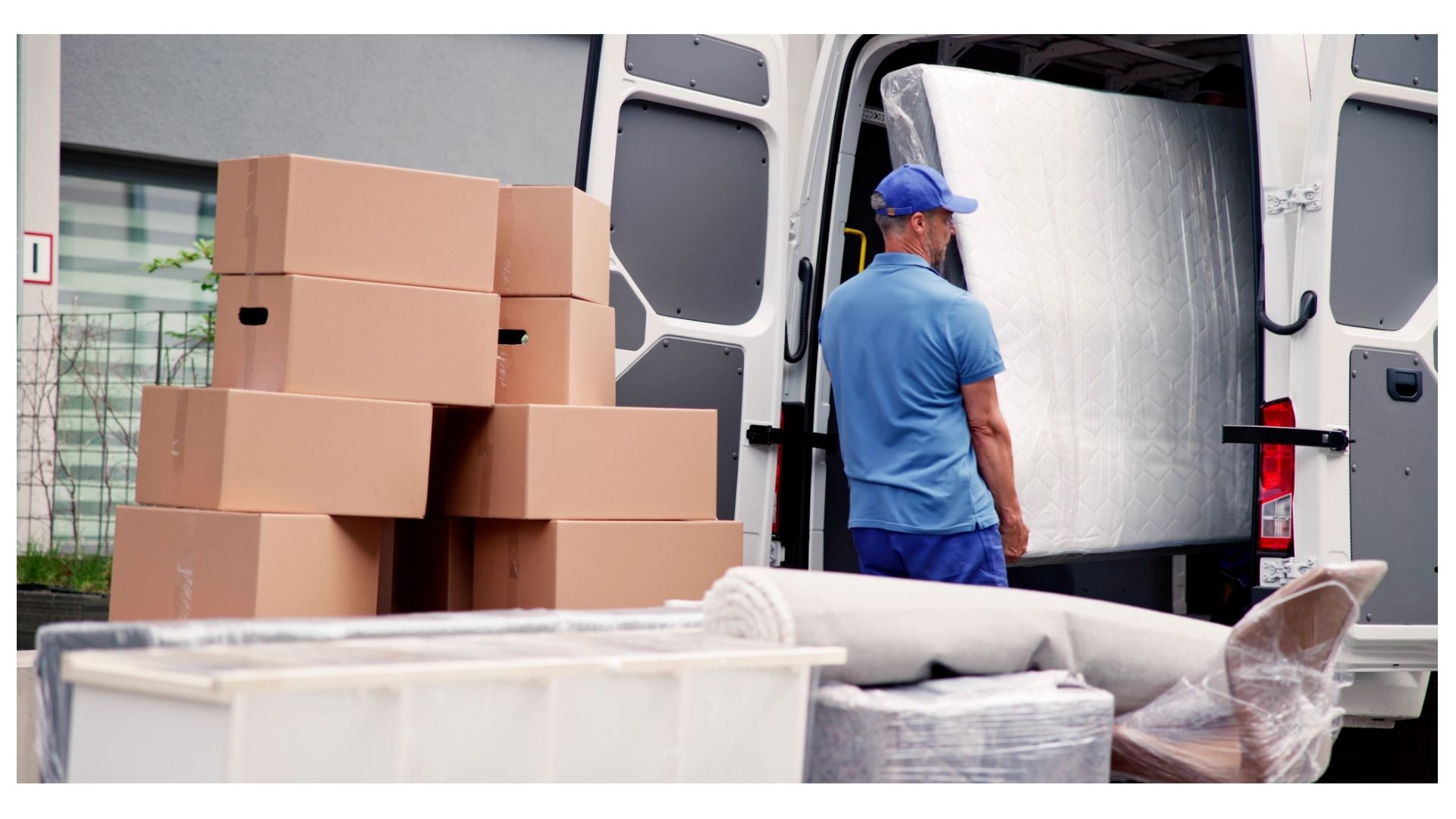
If you are moving to Padre Island, you are signing up for sunsets over the Gulf, fresh seafood, and beach access most Texans only dream about. You are also signing up for one of the harshest environments on furniture and household goods in the state. Salt air, humidity, and coastal storms can wear down wood, metal, electronics, and fabrics faster than you might expect.
The good news is that with the right protection before and after the move, your favorite furniture can survive coastal living for years. Here is what to know.
What Salt Air Actually Does to Your Belongings
Salt air carries tiny particles of sodium chloride that settle on every surface near the coast. Over time, those particles draw moisture from the humid sea air, and that combination causes a slow but steady breakdown of materials.
The biggest threats are:
- Corrosion of metal hardware, hinges, screws, and decorative pieces
- Warping of solid wood furniture as humidity rises and falls
- Mildew on upholstery, mattresses, and stored items
- Tarnishing of silver, brass, and other reactive metals
- Damage to electronics, especially circuit boards and connectors
A home on Padre Island sees this kind of exposure constantly, even when the windows stay closed. According to data from the National Weather Service, the Texas coast averages over 75 percent relative humidity for much of the year.
Furniture That Needs the Most Protection
Not everything in your home reacts the same way to coastal air. Here is how to think about your inventory.
Wood Furniture
Solid wood pieces (especially antiques and unfinished wood) need the most attention. Cycles of humidity cause wood to expand and contract, which loosens joints, cracks finishes, and warps tabletops.
To protect them:
- Apply a quality furniture wax or polish every three to six months
- Keep wood pieces away from windows, salt spray, and direct exposure
- Use a dehumidifier in rooms with valuable wood furniture
- Consider climate-controlled storage for pieces you do not use daily
Metal and Electronics
Metal hardware corrodes faster near the coast. Brass, iron, and even some stainless steel develop pitting and discoloration. Electronics suffer too because moisture in the air condenses inside devices.
To protect them:
- Use anti-corrosion silica gel packs in drawers and cabinets
- Wipe metal surfaces with a microfiber cloth regularly
- Keep electronics in air-conditioned rooms
- Use surge protectors that include corrosion-resistant casings
Upholstery and Fabrics
Humidity is mildew's best friend. Upholstered furniture, mattresses, drapes, and rugs can develop musty smells, mold spots, or fabric breakdown within months if not protected.
To protect them:
- Use a dehumidifier or run AC continuously, especially in summer
- Treat fabrics with a fabric protector spray before the move
- Avoid storing soft goods in garages or unconditioned spaces
- Inspect for mildew monthly and act fast at the first sign
How to Protect Your Furniture Before the Move
Moving day is your first chance to set up long-term protection. Here is what helps:
Pack wood furniture with breathable covers, not plastic. Plastic traps moisture against the surface and can cause finish damage.
Use moving blankets for the trip, but remove them as soon as you arrive. Wet or damp blankets can mark wood finishes.
Keep electronics in original boxes or sealed plastic with silica packs. Coastal humidity can cause condensation when temperatures shift.
Hire a professional moving company familiar with coastal moves. Crews that work the Corpus Christi area know how to handle the climate transition.
Texas requires household movers to be licensed by the TxDMV Household Movers program, so verify your mover's credentials before booking.
How to Keep It Protected Once You Are There
Once your furniture is in the new home, the real work begins. Coastal homes need ongoing maintenance to keep furniture looking and functioning well.
- Run AC and dehumidifiers consistently. The cost of electricity is much lower than the cost of replacing ruined furniture.
- Open windows only on dry days. Salt air pushes inside on humid days and accelerates corrosion.
- Clean salt residue off windows, screens, and surfaces near the beach side of your home weekly.
- Inspect wood and metal pieces monthly for early signs of damage. Catching corrosion or warping early makes repair possible.
- Consider seasonal storage for pieces you do not use year-round. Climate-controlled storage units protect valuable items during the most humid months.
Move to Padre Island With Confidence
Half Price Movers has helped Corpus Christi area families with coastal moves for decades. We understand the climate, the routes, and the careful handling that coastal furniture needs. Whether you are coming from inland Texas or moving between coastal homes, our team will help you protect what matters.
Call our Corpus Christi office for a personalized quote, or request a free estimate online. We will walk you through your options for local moving, long-distance service, and short or long-term storage so you can settle into island life with everything intact.
Frequently Asked Questions
Does salt air really damage furniture inside the house?
Yes. Salt particles travel through open windows, doors, and even ventilation systems. They settle on surfaces inside the home and contribute to corrosion and mildew over time.
Should I sell my old furniture before moving to the coast?
Only if it has low sentimental or financial value. Quality furniture can survive coastal living with proper protection, so most people are better off bringing it and maintaining it.
How do I know if a moving company can handle a coastal move?
Ask if they regularly serve coastal areas like Padre Island, North Padre, or Mustang Island. Local experience matters because the route, the timing, and the unloading process are all different on the coast.
What is the best way to store furniture on the coast?
Climate-controlled storage is the safest option. Look for facilities that maintain consistent temperature and humidity, and that have insurance against storm damage.